Blogs Why Most Product Recommendation Quizzes Fail
Why Most Product Recommendation Quizzes Fail (And How to Fix Them)
Small mistakes inside quiz design quietly reduce conversions. Learn the psychology behind high-performing quizzes and the practical improvements that increase sales.


Sarah Williams
Updated on July 8, 2026 - 3 min read
Introduction
Product recommendation quizzes have become one of the most effective tools for helping online shoppers discover products that genuinely fit their needs. Instead of browsing dozens of pages, visitors receive personalized suggestions within minutes, creating a faster and more enjoyable buying experience.
Despite their growing popularity, many quizzes fail to produce meaningful business results. Complicated question flows, unclear recommendations, and poor follow-up strategies often cause visitors to abandon the experience before reaching the results. Building a successful quiz requires thoughtful planning, customer-focused design, and continuous optimization.
Why Quizzes Matter
Modern shoppers expect personalized experiences that feel relevant to their needs, preferences, and goals. In today's crowded digital marketplace, customers are often overwhelmed by the number of products and choices available to them. When shoppers are presented with too many options without proper guidance, they may struggle to decide, delay their purchase, or leave the store entirely in search of a simpler experience.
A well-designed quiz helps remove this uncertainty by guiding customers through a personalized discovery process. By asking the right questions about their preferences, requirements, and challenges, a quiz can identify what matters most to each shopper and narrow down the available options. Instead of spending time comparing countless products, customers receive tailored recommendations that make their decision-making process easier, faster, and more confident while creating a more engaging shopping experience.

Common Mistakes
One of the biggest reasons shoppers abandon quizzes is unnecessary complexity and a poor user experience. Businesses often add extra questions simply because the information may be useful later, without considering how each additional step affects the customer's journey. While collecting more data can seem beneficial, lengthy and complicated quizzes can quickly feel like a burden, causing users to lose interest or leave before completing the process.
A successful quiz focuses on asking only the most relevant questions needed to understand the shopper and provide accurate recommendations. By keeping the experience simple, engaging, and easy to complete, businesses can maintain user attention while still gathering valuable insights. A well-structured quiz balances data collection with customer convenience, ensuring shoppers reach their results without frustration or unnecessary delays.


“Every unnecessary question creates another opportunity for visitors to leave before discovering the right product.”
Better Question Design
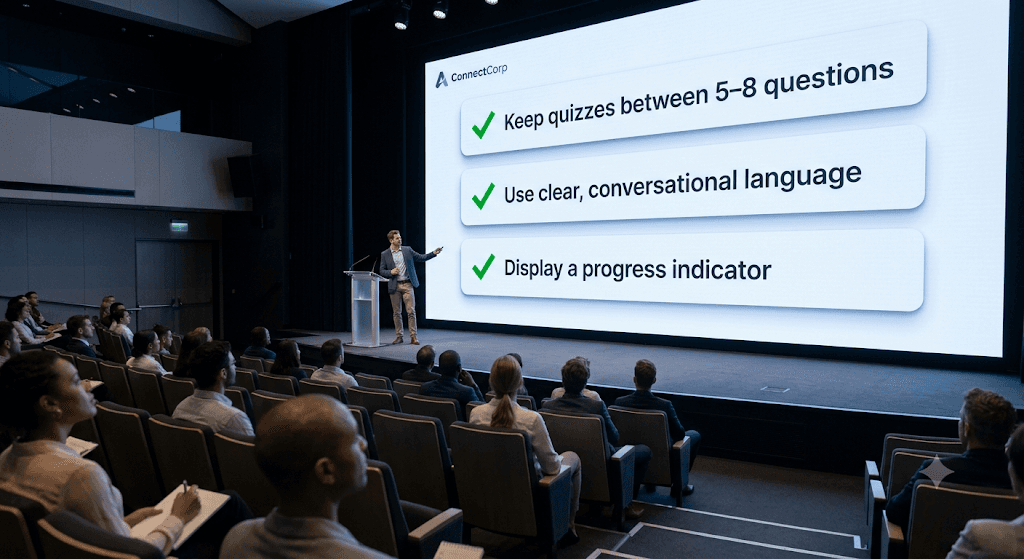
Every question in a quiz should have a clear purpose and move the customer closer to receiving a meaningful, personalized recommendation. Instead of collecting information that does not directly contribute to the final result, businesses should focus on questions that help understand the shopper's preferences, needs, and goals. A well-planned question flow ensures that each interaction adds value while keeping customers engaged throughout the experience.
The best quizzes begin with broader preference-based questions that help identify the customer's general interests before gradually moving toward more specific details. This step-by-step approach creates a natural conversation that feels intuitive and supportive rather than overwhelming. By guiding shoppers through a structured discovery process, businesses can deliver more accurate recommendations while making the entire experience simple and enjoyable.

Personalized Follow Up
The customer journey should not end once quiz results are displayed. While the results page provides immediate value by helping shoppers discover suitable products, the information collected throughout the quiz can continue creating opportunities for engagement beyond the initial interaction. Every response represents valuable customer insight that helps businesses better understand individual preferences, needs, and buying motivations.
This data can be used to create personalized follow-up emails, deliver relevant educational content, and provide product recommendations that match each shopper's interests. By continuing the conversation after the quiz, businesses can nurture relationships, encourage repeat purchases, and create a more personalized customer experience that extends throughout the entire buying journey.

Results That Matter
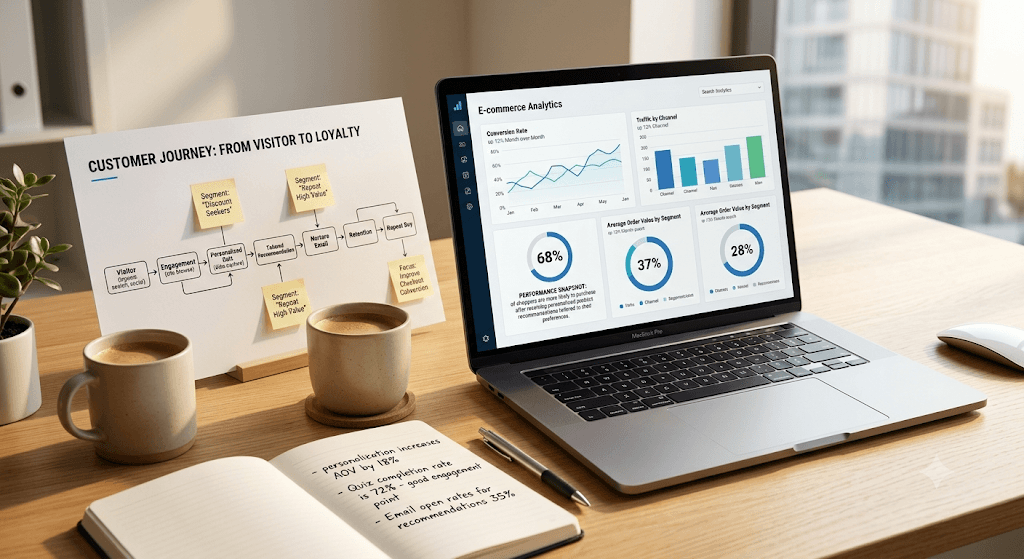
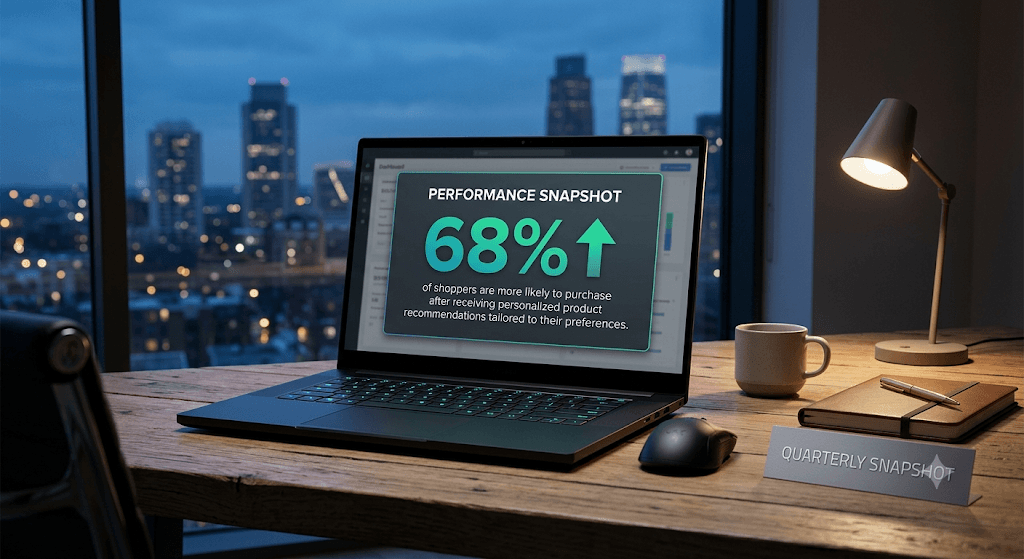
Measuring quiz success requires looking beyond simple completion rates. While the number of completed quizzes can show how engaging the experience is, it does not provide the full picture of its impact on business growth. To understand the true value of a quiz, businesses should track key performance indicators such as how many visitors interact with recommended products, subscribe to email lists, return to the website, and eventually complete a purchase.
These metrics help reveal how effectively the quiz guides customers through the buying journey and whether it is generating meaningful business results. By analyzing user behavior after the quiz, businesses can identify what is working, improve the customer experience, and optimize recommendations to drive higher engagement and revenue growth over time.
Final Thoughts
High-performing quizzes are not successful because they are longer, more complex, or collect the most information. They succeed because they simplify the shopping journey and help customers make better decisions with less effort. A well-designed quiz focuses on understanding the shopper's needs, reducing uncertainty, and guiding them toward products that genuinely match their preferences.
Every question should serve a clear purpose by bringing the customer closer to a useful recommendation, while every result should provide meaningful value instead of feeling like a generic suggestion. The experience should continue beyond the quiz itself, with personalized follow-up interactions that maintain engagement and build stronger customer relationships. When every step feels relevant and helpful, quizzes become a powerful tool for improving customer satisfaction, increasing conversions, and driving long-term growth.
Share this on
The Science of Perfect Shade Matching
Discover how AI-powered quizzes are revolutionizing the way consumers find their ideal foundation shade, every time.
The Ultimate Lipstick Finder Guide
From matte to gloss, learn how interactive tools are making it easier to find the perfect lip color for any look.
Keep reading
You might also like

Building a Hair Care Routine That Works
Learn how interactive quizzes help personalize hair care regimens based on texture, porosity, and lifestyle.

Finding Your Perfect Coffee Blend
Explore how data-driven recommendations are helping coffee lovers discover new roasts tailored to their taste.
Lipstick Trends to Watch in 2024
Discover the hottest lip colors and finishes that are set to dominate this year.

How to Choose Lipstick for Your Skin Tone
Expert tips on selecting shades that complement your unique complexion.